
Septoplasty
Septoplasty can improve airflow when a deviated septum is driving symptoms
If one-sided blockage, recurrent sinus issues, or sleep-disrupting nasal obstruction persist, septoplasty may be discussed after a full exam.
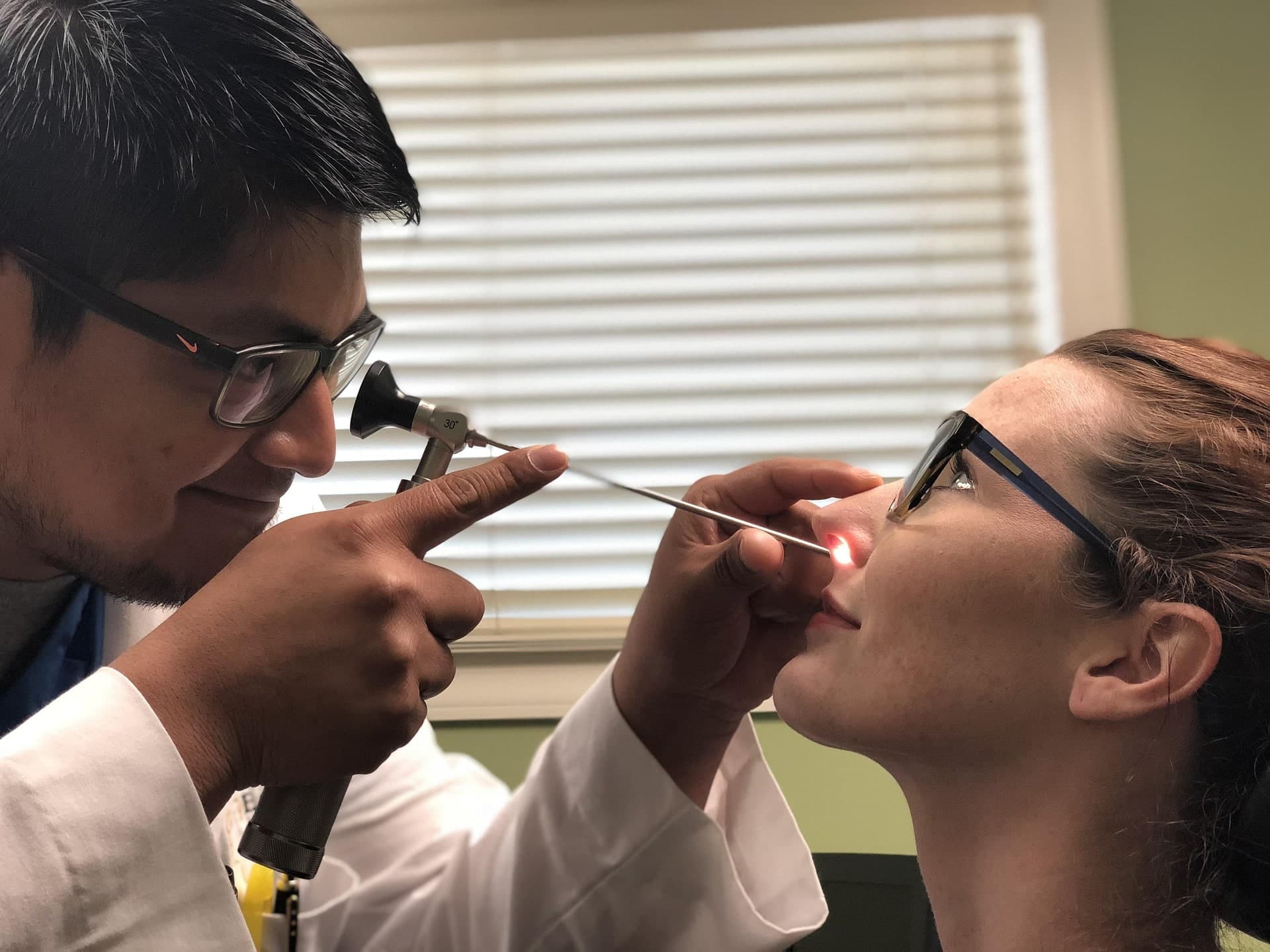
Not every deviated septum needs surgery
Septoplasty is considered when structural deviation continues to cause meaningful breathing or sinus problems after conservative care. The decision is based on your symptoms and exam findings together.
What does septoplasty treat?
Septoplasty straightens the septum, the wall between nasal passages, when it is significantly off-center. The goal is to reduce airflow restriction and improve nasal breathing.
- Persistent one-sided or bilateral nasal blockage.
- Recurring sinus congestion related to structural narrowing.
- Snoring or sleep disruption linked to nasal airflow limitation.
- Daytime mouth breathing and reduced exercise tolerance from chronic obstruction.
How the procedure is performed
Septoplasty is typically performed through the nostrils, without external incisions. The septum is reshaped or repositioned to create a clearer airway while preserving support structures.
Depending on anatomy, related procedures such as turbinate reduction may be discussed to improve overall airflow outcomes. Anesthesia approach is individualized and reviewed during pre-op planning.
Typical recovery timeline
- Early swelling and congestion are expected in the first days.
- Most patients resume routine activities within several days, based on surgeon guidance.
- Dissolving sutures and temporary packing can be part of early recovery planning.
- Breathing improvement often becomes clearer as swelling settles over subsequent weeks.
- Follow-up visits are used to monitor healing and adjust care instructions.
Expected outcomes and common questions
- No visible external nasal incision is needed in most septoplasty cases.
- About 85% of patients report improved breathing after septoplasty in commonly cited outcomes data.
- Most short-term post-op effects settle over the first couple of weeks, though timelines vary.
Outcome quality depends on anatomy, healing, and the presence of other contributors such as allergy inflammation or turbinate enlargement.
How we decide if septoplasty is worth pursuing
We balance symptom burden, exam findings, and treatment history before making recommendations. If symptoms are mild or manageable with non-surgical care, that approach may remain the best first path.
If obstruction remains significant despite conservative care, we discuss procedural options and expected outcomes in clear, individualized terms.
Need an evaluation for chronic nasal blockage?
Our team can determine whether medical care or a procedural option like septoplasty is the better fit.